Crash Course: World History

Crash Course: World History

John Green teaches you the history of the world

0.0

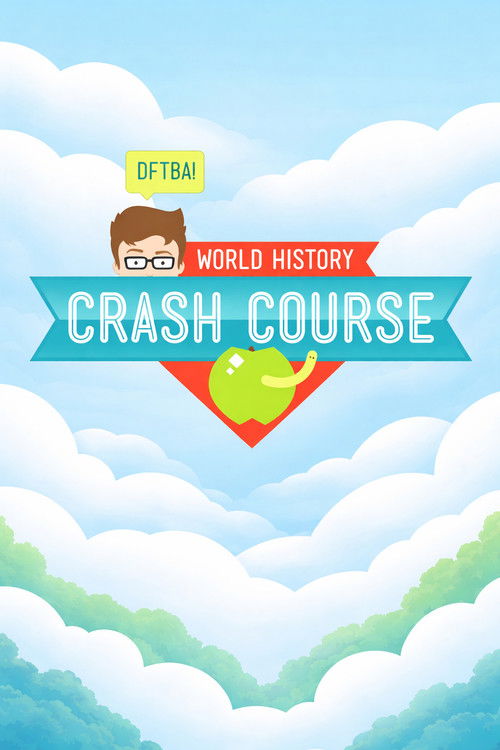
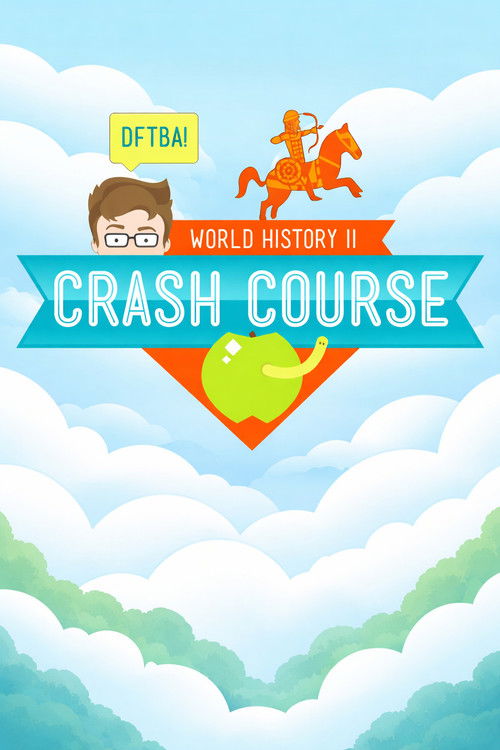
Crash Course World History is a video course hosted by John Green that teaches world history from growing the first crops in the First Agricultural Revolution to global textile production in the 2010s. Across the series, it builds skills in identifying and explaining historical developments, analyzing events in broader context, and tracing patterns and connections across time and place—aiming to help viewers become more informed citizens of the world. Season 1 follows the 2012 AP World History curriculum in a 42-episode chronological survey, while Season 2 continues in 30 episodes with a more thematic approach that focuses on systems and encourages viewers to question how “history” is written and what biases shape it.

  • Release Date: January 26, 2012
  • Status: Ended
  • Languages: English
  • Production: Complexly, PBS Digital Studios
TalkDocumentary

Cast

Seasons

  • Season 1 - World History

    Season 1 - World History

    January 26, 2012

    In 42 episodes, John Green will begin teaching you the history of the world! This course is based on the 2012 AP World History curriculum, from growing the first crops in the First Agricultural Revolution to global textile production in the 2010s. By the end of the course, you will be able to: *Identify and explain historical developments and processes *Analyze the context of historical events, developments, and processes and explain how they are situated within a broader historical context *Explain the importance of point of view, historical situation, and audience of a source *Analyze patterns and connections among historical developments and processes, both laterally and chronologically through history *Be a more informed citizen of the world

    Episodes: 42

  • Season 2 - World History 2

    Season 2 - World History 2

    July 11, 2014

    In 30 episodes, John Green rethinks world history! In round two we take a different approach and try to think more thematically rather than chronologically. By the end of the course, you will be able to: *Think about history thematically and in terms of systems, not just important events *Analyze the context of historical events, developments, and processes and explain how they are situated within a broader historical context *Explain the importance of point of view, historical situation, and audience of a source *Question how what we think of as “history,” how it is written, and what biases are at play in a work

    Episodes: 30

Reviews

No reviews available.

You may also like